

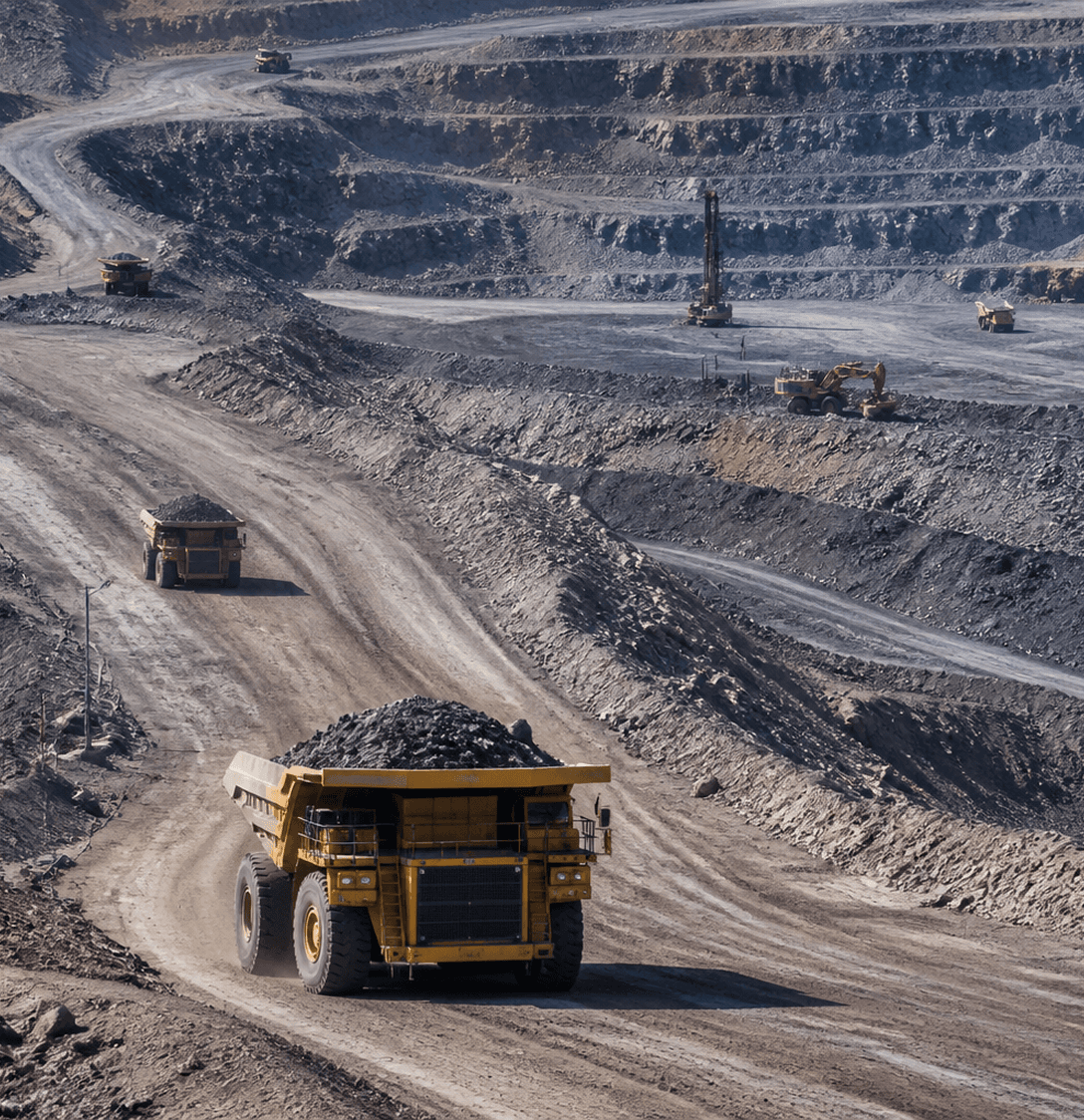
Already successfully deployed in a gold mining company
Mineral exploration
is risky

Pinpoint likely deposit locations

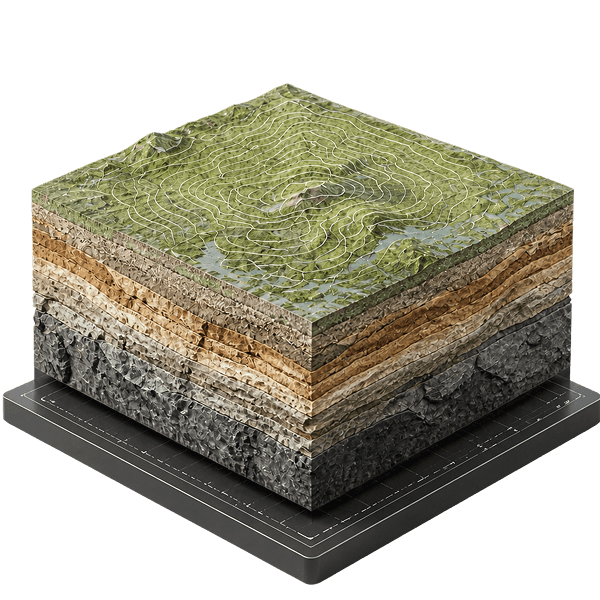
Understand target depth before drilling

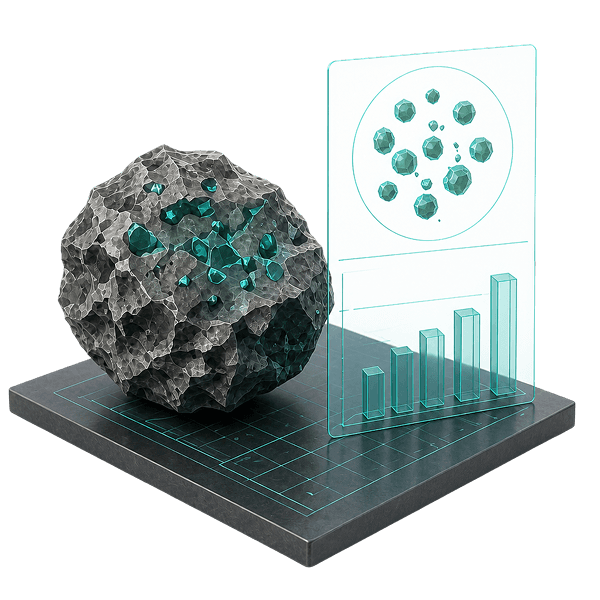
Assess potential scale
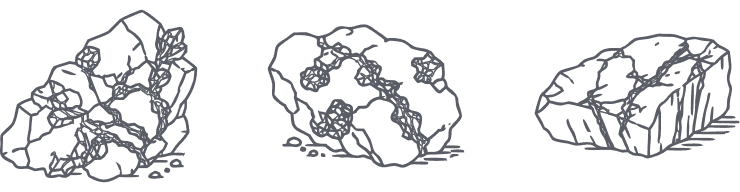
Gold, copper, lithium, rare earths, etc.

Confidence-based prediction system

Transparent model-backed explanation
data





Faster targeting decisions
Move from raw data to clear target recommendations faster.
Better use of exploration budgets
Focus resources on higher-probability opportunities.
Explainable intelligence
Understand why each target was selected.
Scalable analysis
Evaluate multiple regions, datasets, or mineral opportunities with a repeatable process.
What type of data does AI Geologist need?
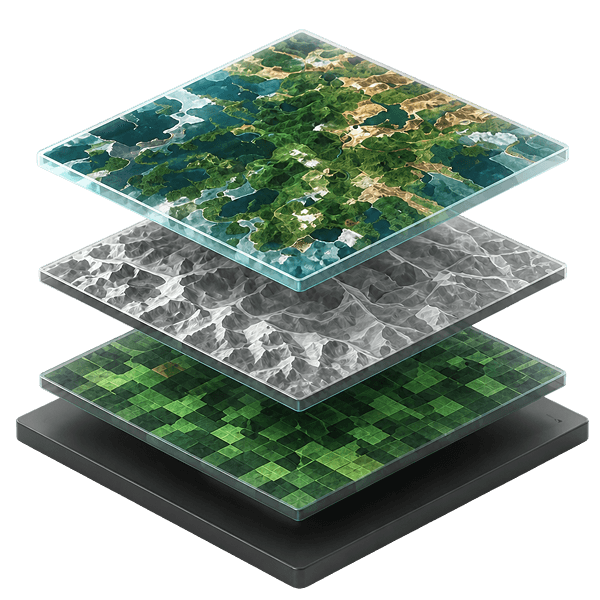
The system works best with layered geological data: geological maps, geochemistry, satellite imagery, magnetic maps, geophysical surveys, historical exploration reports and any existing drilling data. You don't need every layer to get started. The more complete and higher-quality the inputs, the stronger the prediction and certainty score.
Does AI Geologist replace geologists?
No. The system is built to support geologists, not replace them. It helps exploration teams narrow the search area, surface high-potential targets and understand why a location may be mineralized. The final call stays with your geologists, who review the evidence, weigh field conditions and decide whether to proceed.
Is the output explainable?
Yes. Every prediction is designed to show its reasoning. For each target, the system can explain which data layers drove the result, why the mineral may be present and the level of certainty behind it. The goal is a transparent decision-support tool, not a black-box answer.
Can it be used before drilling?
Yes, and this is one of the main use cases. The system helps prioritize where to explore first, cutting the number of low-probability targets so fieldwork, sampling and drilling budgets focus on the most promising ground.
Is this only for gold exploration?
No. Gold is one of the first use cases, but the system isn't limited to it. Support is being developed for copper, iron, cobalt and rare metals. Performance depends on the available data, the geology of the region and whether the model has enough relevant training information for that mineral system.